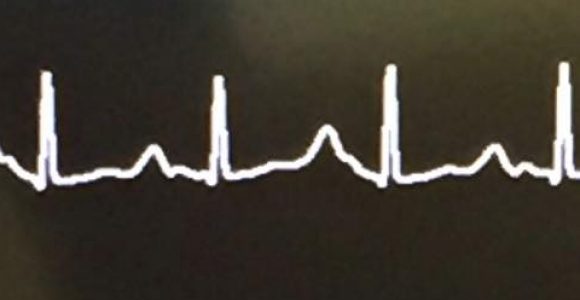

Not all cases of Long QT are caused by genetics. Around 15% of all Long QT cases are caused by medications which can prolong the QT interval. The definition of diLQTS varies but generally refers to patients who have developed marked prolongation of the QTc interval to ≥ 500 ms or a change of >60 ms from their baseline. QT prolongation has been found in almost every class of therapeutic agent, including antiarrhythmic, antihistamines, antibiotics, anticancer drugs, gastrointestinal prokinetics, antipsychotics, etc.
Typically the QT interval returns to normal when the patient stops taking the QT prolonging medication but there is always a benefit to risk analysis. Some medications are so important that they are a necessity even though they cause QT prolongation. In healthy people I.e. not congenital Long QT these medications are safe to take as it is unlikely they will cause the QTc to move into a dangerous territory over 500msec.
I recently shared Heather Baker’s story where a common migraine medication caused her to have di-LQTS and go into cardiac arrest.
Please visit CredibleMeds for more information.
@thryvtrx recently ran a phase 2 study causing drug induced long qt using dofetilide and then treated the patients with their new therapy. Visit their website for more information regarding that study!
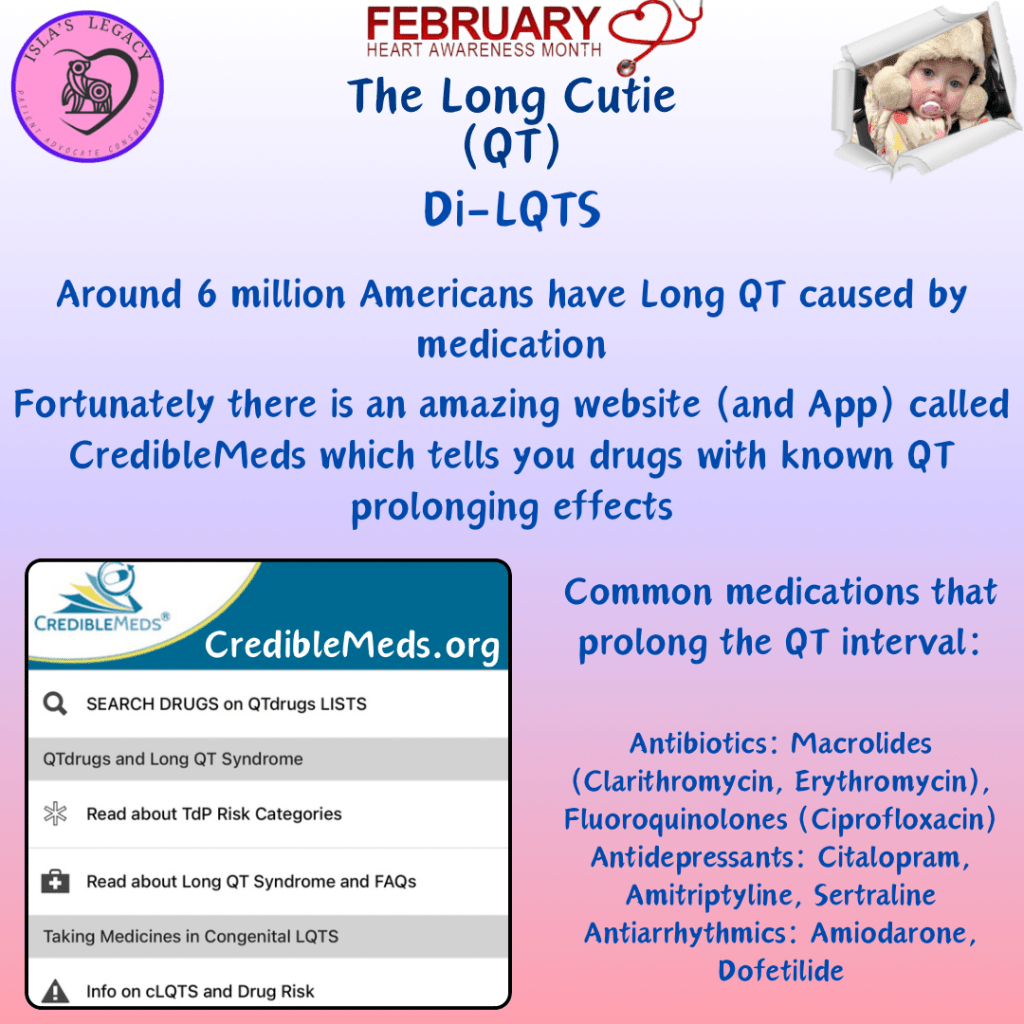
 The Long Cutie