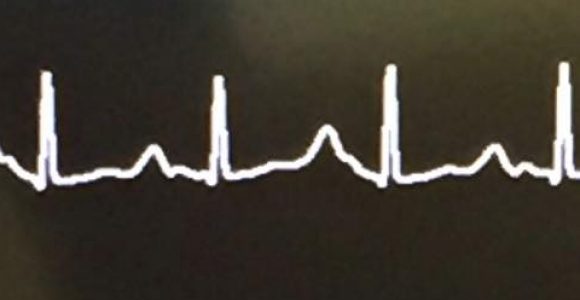

Historically, patients with long QT syndrome were restricted from participation in competitive sports. The 2005 guidance was ‘When in doubt, kick them out’. Now physical activity being too risky for Long QT patients is no longer the main concern; rather, what can be done to circumvent, neutralise, or minimise risk to allow people to participate safely. ‘One size does not fit all’ as different LQTS subtypes have different responses to exercise.
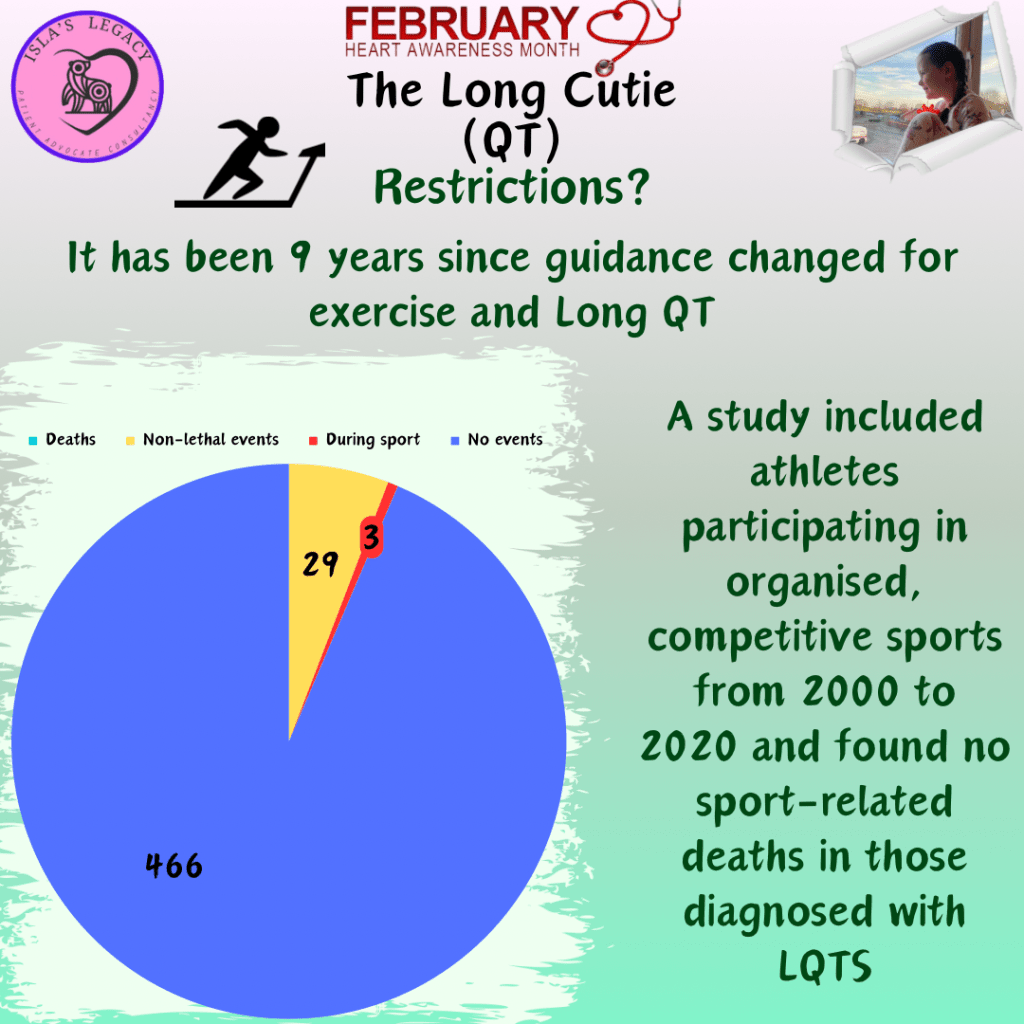
A 20 year study, including 495 athletes with LQTS participating in organised, competitive sports, found NO sport-related deaths. Long QT athletes had just over 1% chance of experiencing a non-lethal cardiac event during sports activities each year. Nonlethal cardiac events occurred in just 29 patients (5.9%); of the 15 events occurring in patients who were athletes at the time, only 3 occurred during athletic activity. 80% of the athletes were on beta-blockers and one-quarter had ICDs. “When you then allow those patients to exercise, the risk of cardiac events is actually low… In shared decision-making, we know the risk isn’t zero, but it isn’t necessarily higher if we do allow them to participate in exercise.” (Dalal)
Some restrictions outlined in exercise and sports guideline-based recommendations may be appropriate e.g. caution of water sports for LQTS1. Return to competitive sports can be considered if there have been no events for 3 months after treatment, which may include medications, such as therapy with beta-blockers (e.g. propranolol or nadolol), and/or an ICD.
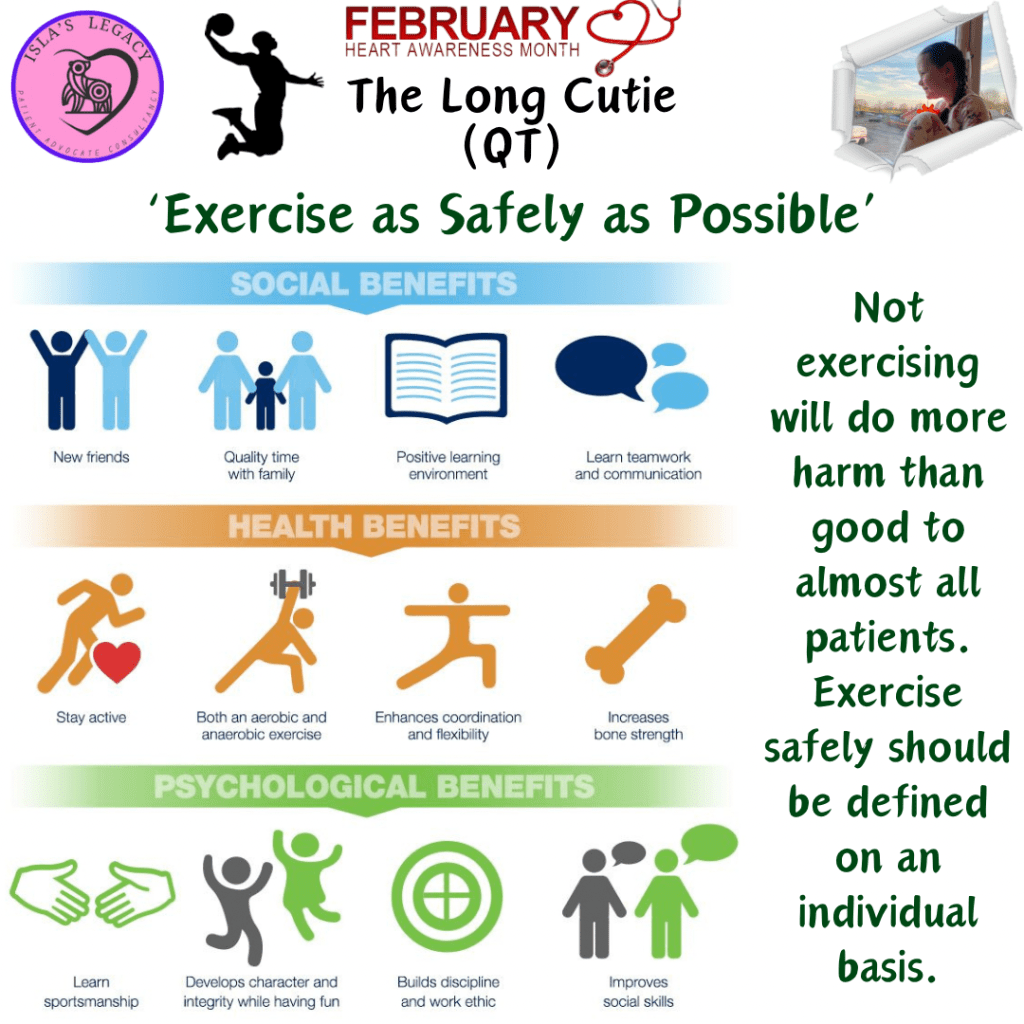
Many asymptomatic and symptomatic LQTS patients wish to adopt a physically active lifestyle and to participate in sports activities in order to enjoy the many established benefits of physical activity on physical, psychological, and intellectual health. Regardless of risk group, every person with LQTS should talk with their doctor about specific exercise recommendations. There is little point in trading fear of cardiac arrest for heart disease and risk of heart attack due to lack of exercise.
 The Long Cutie