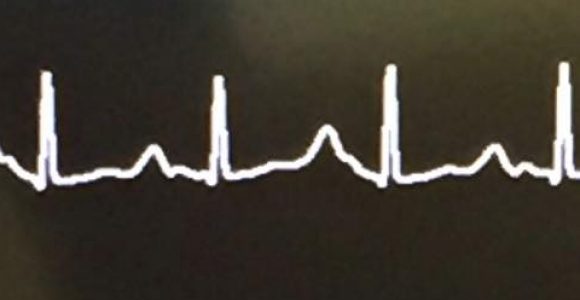

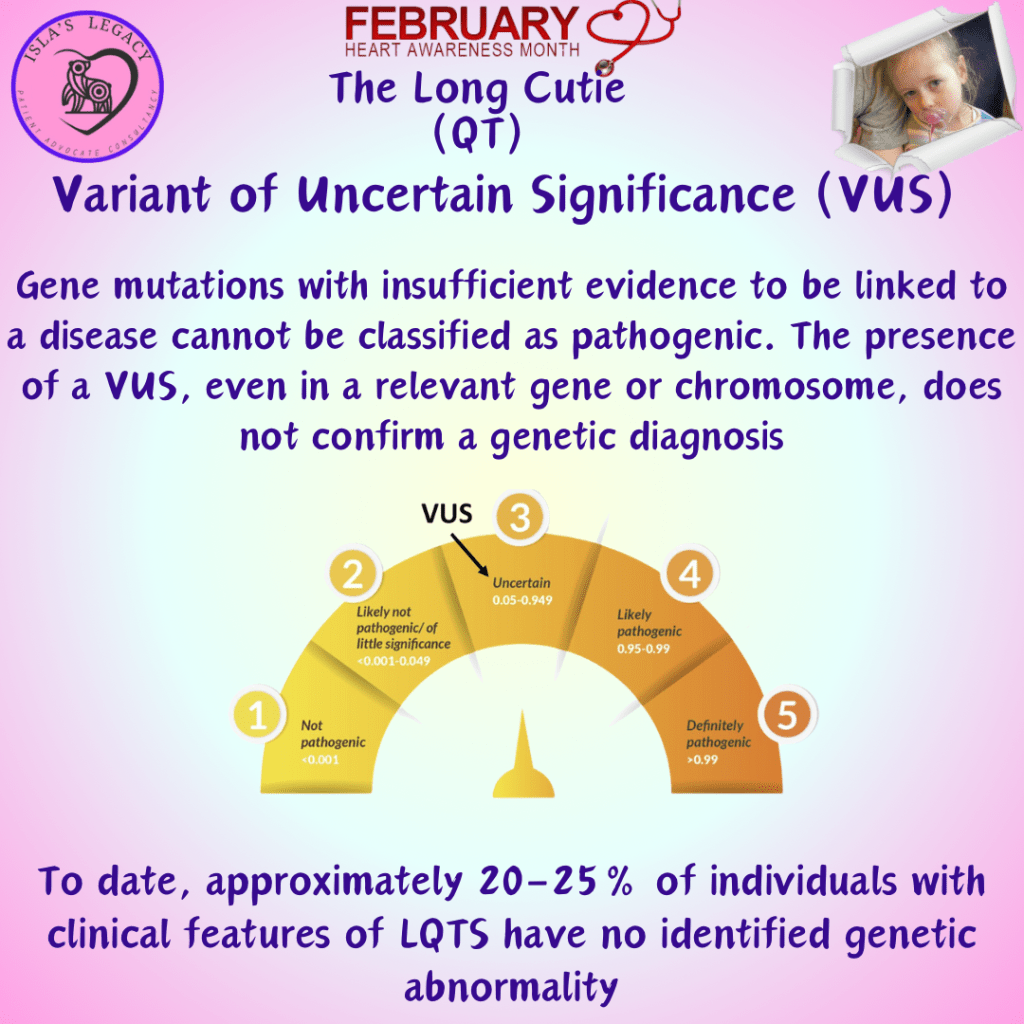
VUS cannot be categorized as potentially disease causing or harmless because the meaning of this type of genetic change is not yet known. The genetics underlying familial long QT syndrome (LQTS) are among the best characterised of all of the inherited heart conditions. The vast knowledge of genotype-phenotype is essential in guiding clinical practice of patients.
Evolving sequencing techniques along with more accurate variant classification criteria means there is doubt as to whether some of the previously identified genes actually cause LQTS. New scientific discoveries make all genes and variants subject to a continuous process of re-classification. For example, it is argued that the genes notated as LQT5 (KCNE1) and 6 (KCNE2) should rather be mostly, or entirely, considered disease modifiers, respectively. (HCL 2020)
However, a genetic result of VUS doesn’t necessarily mean that you do not have a gene mutation which causes Long QT Syndrome. There is still a lot to learn about genetics and how variants in genes relate to clinical expressions.
 The Long Cutie